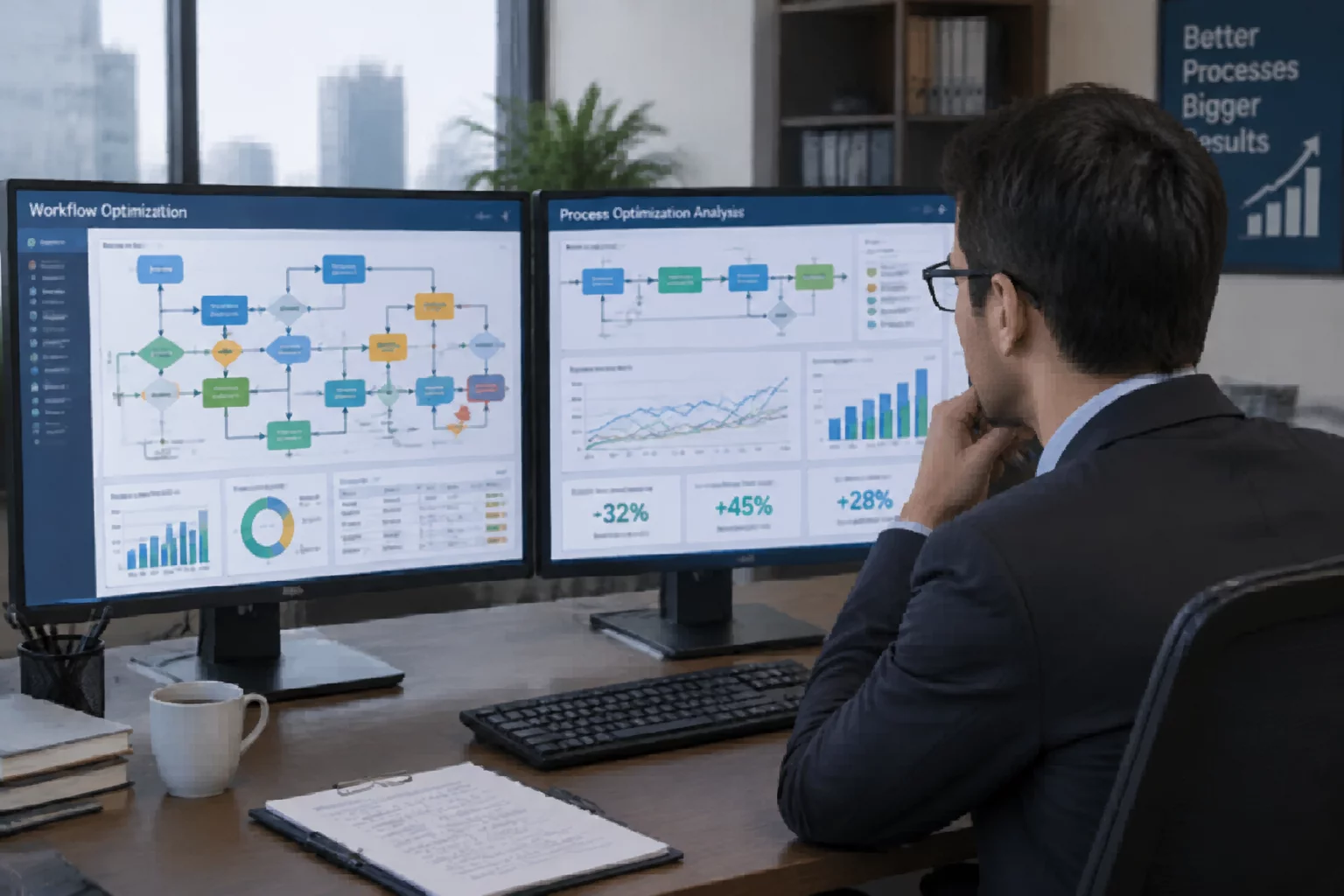
The Crisis of Context Degradation in Disjointed Software
Modern organizations frequently deploy dozens of departmental software solutions, yet projects consistently stall between design, engineering, compliance, and deployment phases. Technova Analysts evaluated seventy enterprise handoff instances across diverse tech stacks, discovering that communication breakdown rarely happens during active task execution. The failure occurs almost exclusively at the intersection points where responsibility transfers from one group's application to another. Traditional workflow utilities act as simple notification relays, pinging recipients without carrying the contextual state, historical decisions, or critical technical parameters required to begin immediate execution.
When an approval request lands in a manager's inbox stripped of design tokens or compliance notes, review cycles balloon from hours into weeks. Team members spend valuable engineering capacity hunting down chat records, fragmented email threads, and outdated documentation drafts. Closing these gaps requires workflow management software that treats context preservation not as an optional attachment, but as an atomic condition of task progression. Without verified data handshakes between platforms, workflow automation simply accelerates the propagation of unverified assumptions.
Is Your Cross-Tool Handoff Leaking Context?
Audit your current software integration stack with our transition architects to eliminate verification bottlenecks and blind sign-offs.
Empirical Performance Metrics & Friction Benchmarks
Rigorous operational benchmarks measured cycle times and error rates across traditional ticket-forwarding setups versus context-aware workflow orchestration engines. The data reveals stark contrasts across four vital transition checkpoints:
| Operational Parameter | Observed Specification | Target Benchmark |
|---|---|---|
| Approval Cycle Turnaround | 4.6 Business Days (Manual Verification) | 1.1 Business Days (Context-Packaged Triggers) |
| Context Retention Rate | 52% Complete Asset Handshakes | 99.4% Preserved Parameter Metadata |
| Ghost Handoff Occurrence | 18.3% Tasks Stalled in Unassigned Queues | < 1.0% with Guaranteed Recipient Acknowledgement |
| Post-Handoff Rework Rate | 31.7% Due to Missing Scope Criteria | 4.2% Under Automated Validation Gates |
Implementing Resilient Automated Routing Architectures
Transitioning toward high-velocity workflow management necessitates decoupling status changes from blind email dispatches. Leading workflow engines enforce rigorous handoff contracts where upstream teams cannot mark milestones complete until receiving systems validate the completeness of incoming dependencies, schema validations, and audit logs.
Prerequisites for Frictionless Multi-Stage Transitions
Deploying robust workflow automation requires standardizing the transition layer across all collaborating platforms. Engineers and operational managers must implement three foundational controls to safeguard workflow continuity:
- Establish deterministic schema validation for all inbound task payloads before trigger execution.
- Configure bidirectional synchronization to prevent divergent task states between parallel ticketing systems.
- Implement time-bound escalation cascades that automatically reassign stranded reviews before deadlines breach.