
System Security
Microsoft FORGE Bug Fixing Handoffs
Microsoft FORGE Lab report evaluating autonomous software vulnerability discovery practices and handoffs.
Explore workflow cases about team handoffs, missing context, acceptance points, and unresolved work.

Marketing transferred the release package directly into the shared repository, but nobody in Operations explicitly confirmed acceptance. Transmitting files without a binding receipt left the rollout stalled for twelve business days in unassigned limbo.
Transition maps and structured lane protocols replace operational guesswork with verifiable handovers between cross-functional teams.
Critical specifications, shift notes, and task variables transfer completely without missing information or duplicate follow-up questions.
Each lane transition identifies the exact accountable role, eliminating ambiguous ownership and unassigned backlog items.
Standardized handover protocols reduce waiting time between operational phases and keep deliverables moving smoothly.
Shared visual maps provide uniform visibility across engineering, product, and operations without disjointed tracking spreadsheets.
Explore documented transition models, compliance checks, and cross-team interface protocols verified across high-stakes engineering and operations.
Microsoft FORGE Lab report evaluating autonomous software vulnerability discovery practices and handoffs.

Broadstaff operational readiness regulations for data center launch managers.

Evaluated task visualization tools and methods for eliminating bottlenecks.
Explore proven swimlane models and standardized handoff blueprints to eliminate procedural blindspots across operational tiers.

Palo Alto Networks report covering executive surveys on IT and OT team collaboration barriers.

Employment Hero guide and checklist for seamless transitions during role changes.
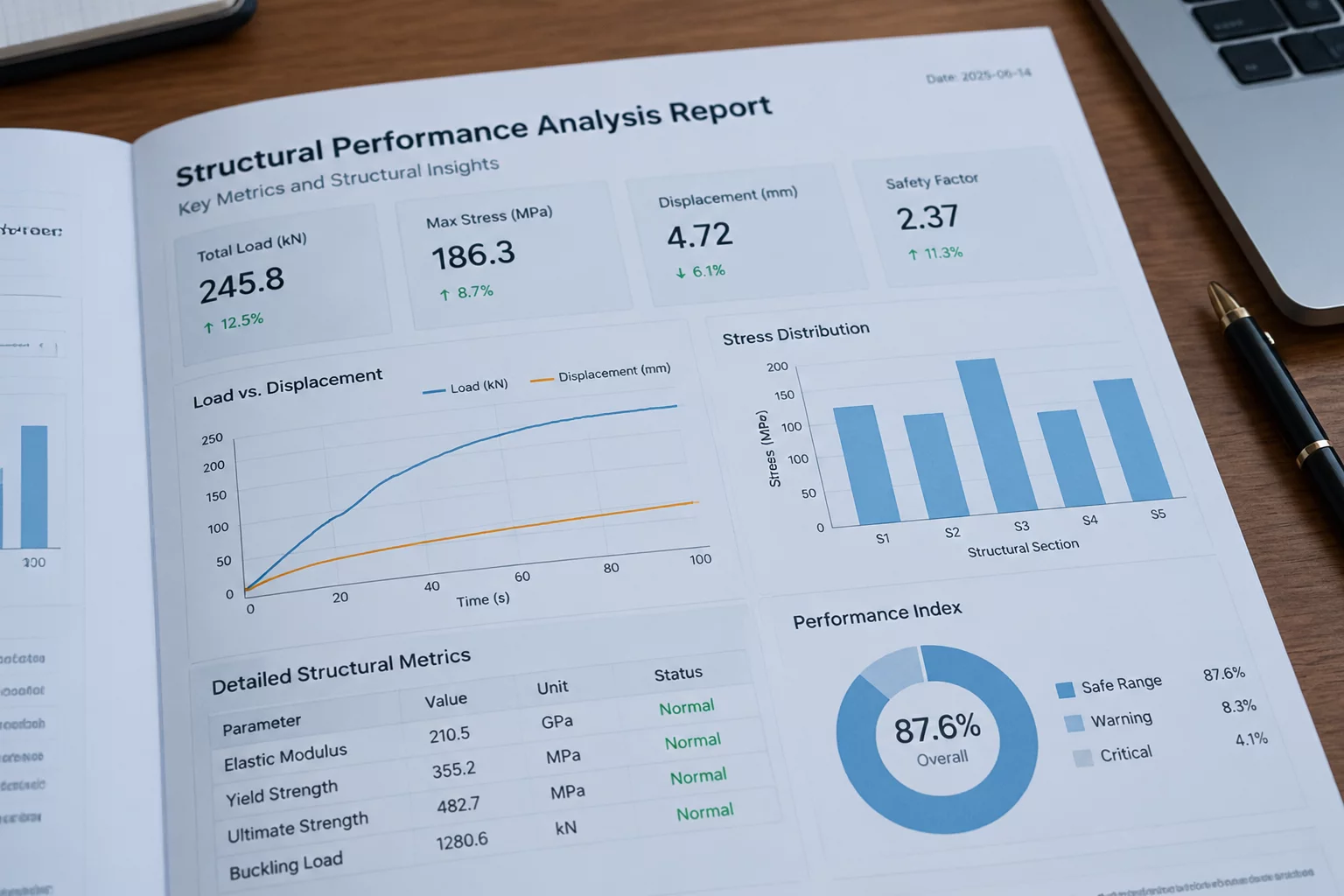
Aimed at combating operational gaps and improving process control.
Assemble your operational artifacts and stakeholder contacts to facilitate structured transition modeling and lane configuration.
Designate sender and receiver leads empowered to approve transition milestones and resolve operational bottlenecks.
Provide existing flowcharts, standard operating guidelines, and task documentation currently utilized across teams.
Grant test workspace permissions and sanitized transaction samples to analyze real-world context transfer mechanics.
Establish target latency boundaries, acceptance criteria, and specific conditions for transferring responsibility.
Clear operational boundaries eliminate ambiguity, prevent workflow friction, and define exact ownership during cross-team handoffs.
Core architectural artifacts, handoff definitions, and structured transition protocols established for your engineering and operations teams.
To maintain architectural focus and operational independence, internal execution and platform licensing remain within your domain.