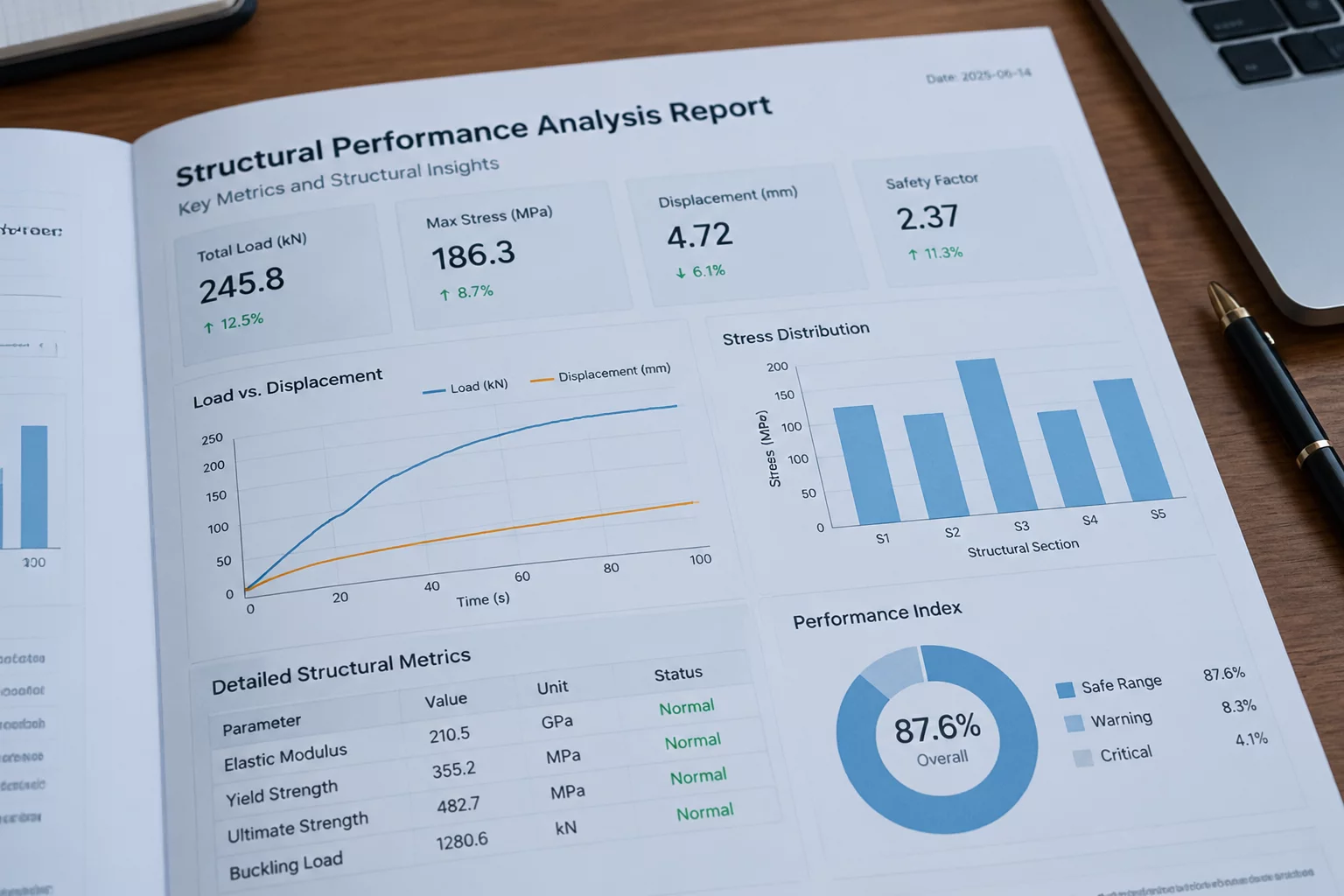
Combating Operational Gaps in Cross-Team Transitions
Inter-departmental handoffs routinely suffer from informational decay when teams rely on ad-hoc status updates. A structured collaboration report template removes ambiguity by codifying exactly what constitutes readiness, who holds authority at each phase transition, and which technical artifacts must be verified. Organizations implementing synchronized reporting eliminate circular status syncs and identify pipeline friction before delivery schedules slip.
Without rigid documentation frameworks, engineering, product, and operations teams interpret completion criteria through isolated lenses. The standardized collaboration report establishes a shared operational baseline. By consolidating blocker tracking, resource allocations, and dependency mapping into a single reference document, cross-functional partners maintain alignment across simultaneous delivery cycles.
Need an Audit of Your Team Handoff Protocols?
Technova Partners conducts deep-dive operational assessments to eliminate workflow friction and build customized transition blueprints.
Observed Metrics and Workflow Benchmarks
Measuring collaboration effectiveness requires concrete benchmarks rather than subjective team sentiment. The table below outlines critical operational parameters observed across enterprise implementations, contrasting unstructured baseline workflows with standard report governance.
| Operational Parameter | Observed Specification | Target Benchmark |
|---|---|---|
| Average Handoff Acknowledgement Latency | 34.6 hours across email and chat threads | Under 4 hours with lane notification |
| Unresolved Dependency Escapes | 18.2% of cross-team tickets | Less than 2.5% per release cycle |
| Context Retransmission Overhead | 5.4 hours per engineer weekly | Under 1.0 hour weekly with template logs |
| Audit Trail Completeness | Fragmented across disparate repos | 100% centralized sign-off fidelity |
Implementing the Structured Collaboration Template
The template functions as a living contract between adjacent functional teams. It anchors every deliverable to unambiguous criteria, ensuring that downstream receivers never receive half-baked specifications or undocumented dependencies.
Essential Transition Quality Checklist
Integrate these mandatory verifications into your weekly reporting rhythm to maintain strict process control:
- Verify explicit sign-off from designated upstream and downstream domain leads before phase closure.
- Attach validated schema diagrams, API contracts, and deployment test logs directly to the report dossier.
- Log all outstanding technical debt items with defined mitigation dates and assigned owners.